Best Ergonomic Keyboards in 2026
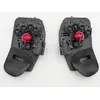
Best Premium Split Keyboard: Svalboard
Keyboard with integrated trackball ($1k). Most ergonomic keyboard+mouse combination possible. Key motions minimized vs traditional boards. For medical-grade RSI or ultimate ergonomics.$1,050 on Svalboard
Best Value Split Keyboard: Totem
38 keys, contest winner with exceptional build quality. Splayed columns, 3-key wide thumb cluster, ZMK wireless. Premium aluminum option available. $150.$150 on AliExpress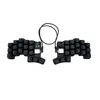
Best Budget Split Keyboard: Cheapino v2
36 keys with excellent wide thumb cluster. Vial pre-configured, hotswap, single MCU design. Community: 'moved from Corne, thumb cluster so much more comfortable'. Recommend Silent Peach switches. $46 + $10 shipping.$46 on AliExpressEssentials
Trackball Mice: Compare & Buy
A split keyboard fixes typing posture, but pointing is the other half of RSI risk. Trackball mice eliminate the wrist extension and forearm sweep of a standard mouse.See Trackball Mice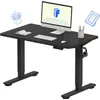
Standing Desk: Compare & Buy
Pair your split keyboard with a standing desk - sitting posture compounds the wrist and shoulder strain a keyboard alone can't fix.See Standing Desks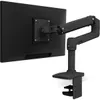
Monitor Arm: Compare & Buy
A monitor arm raises the screen to eye level and frees the desk surface - the natural companion to a tented split keyboard.See Monitor ArmsScore | Brand | Model | Keys | Thumb Ergo | GUI Editor | Availability | Firmware | Wireless All | Price | Thumb Keys | Tenting | Switches | Hotswap All | Keywell All | Momentum | Rating | Col. Stagger | Warranty |
|---|---|---|---|---|---|---|---|---|---|---|---|---|---|---|---|---|---|---|
100.0 | 60 5 | 10.0 (integrated) 10 | Keybard ✓ 5 | Pre-built 9 | QMK / Vial 9 | No 6 | $1,050 3 | 2 9 | Fully adjustable 10 | Custom 5 | No 5 | Yes 8 | 7.0 7 | 5 | None 3 | |||
85.0 | 38 9 | 9.0 (wide) 9 | ZMK Studio 8 | Pre-built 9 | ZMK 8 | Yes (2–3 months) 8 | $150 8 | 3 8 | Adjustable 8 | Choc 6 | Yes 8 | No 5 | 9.0 9 | 5 | Splayed 9 | |||
82.3 | 34 10 | 9.0 (wide) 9 | Vial ✓ 10 | Pre-built 9 | QMK / ZMK 10 | Yes (2–3 months) 8 | $85 10 | 2 9 | Optional 6 | MX/Choc 10 | Yes 8 | No 5 | 10.0 10 | 4.8 (120) 7 | Aggressive 9 | |||
78.8 | 34 10 | 9.0 (wide) 9 | ZMK Studio ✓ 10 | Pre-built 9 | ZMK 8 | Yes (2–3 months) 8 | $149 8 | 2 9 | Magnetic 6 | Choc 6 | Yes 8 | No 5 | 9.0 9 | 5 | Moderate 7 | |||
76.3 | 36 10 | 9.0 (wide) 9 | Vial ✓ 10 | Pre-built 9 | QMK 9 | No 6 | $46 10 | 3 8 | Kickstands 5 | MX 7 | Yes 8 | No 5 | 8.0 8 | 5 | Moderate 7 | |||
76.1 | 36 10 | 8.0 (moderate) 8 | Vial ✓ 10 | Pre-built 9 | QMK / Vial 9 | No 6 | $143 8 | 3 8 | None 3 | Choc 6 | Yes 8 | No 5 | 8.0 8 | 5 | Aggressive 9 | |||
74.4 | 36 10 | 8.0 (moderate) 8 | Vial ✓ 10 | Pre-built 9 | QMK / Vial 9 | No 6 | $98 10 | 3 8 | None 3 | MX/Choc 10 | Yes 8 | No 5 | 7.0 7 | 5 | Aggressive 9 | |||
73.9 | 34 10 | 9.0 (wide) 9 | ZMK Studio 8 | Pre-built 9 | ZMK 8 | Yes (3–6 months) 8 | $75 10 | 2 9 | None 3 | Choc 6 | Yes 8 | No 5 | 7.0 7 | 5 | Aggressive 9 | |||
73.3 | 36 10 | 8.0 (moderate) 8 | Vial ✓ 10 | Pre-built 9 | QMK / Vial 9 | Yes 8 | $138 8 | 3 8 | None 3 | Choc 6 | Yes 8 | No 5 | 7.0 7 | 5 | Moderate 7 | |||
72.7 | 36 10 | 9.0 (wide) 9 | VIA / ZMK ✓ 5 | Pre-built 9 | QMK / ZMK 10 | Yes (1–2 months) 8 | $95 10 | 3 8 | None 3 | MX/Choc 10 | Yes 8 | No 5 | 8.0 8 | 5 | Moderate 7 | |||
72.1 | 42 7 | 7.0 (moderate) 7 | Vial ✓ 10 | Pre-built 9 | VIA / VIAL 5 | Yes 8 | $189 8 | 3 8 | Built-in (24°) 8 | Choc 6 | Yes 8 | No 5 | 7.0 7 | 5 | Moderate 7 | 1 yr | ||
69.1 | 80 3 | 7.0 (standard) 7 | Custom ✓ 6 | Pre-built 9 | ZMK 8 | Yes (1–2 months) 8 | $384 4 | 6 4 | Built-in (30°) 10 | Choc 6 | Yes 8 | Yes 8 | 8.0 8 | 4.7 (200) 7 | Aggressive 9 | |||
68.9 | 36 10 | 6.0 6 | ZMK Studio ✓ 10 | Pre-order 6 | ZMK 8 | Yes (~6 days/side (post-2026 firmware sleep-fix; OTA-updatable)) 8 | $189 8 | 3 8 | None 3 | Choc 6 | Yes 8 | No 5 | 7.0 7 | 5 | Aggressive 9 | |||
68.4 | 34 10 | 7.0 (standard) 7 | ZMK Studio 8 | DIY 5 | ZMK 8 | Yes (2–3 months) 8 | $120 8 | 2 9 | Puck mount 6 | Choc 6 | Yes 8 | No 5 | 7.0 7 | 5 | Moderate 7 | |||
68.3 | 46 7 | 4.0 (cramped) 4 | Vial 9 | Pre-built 9 | QMK / Vial 9 | Yes (1–2 months) 8 | $158 8 | 3 8 | Optional 6 | MX/Choc 10 | Yes 8 | No 5 | 9.0 9 | 5 | Moderate 7 | |||
68.2 | 36 10 | 7.0 (moderate) 7 | ZMK Studio ✓ 10 | Discontinued 2 | ZMK 8 | Yes (2–3 months) 8 | $380 4 | 3 8 | Built-in (15°) 6 | Choc 6 | Yes 8 | No 5 | 9.0 9 | 5 | Moderate 7 | |||
66.7 | 42 7 | 6.0 6 | ZMK Studio ✓ 10 | Pre-order 6 | ZMK 8 | Yes 8 | $189 8 | 3 8 | None 3 | Choc 6 | Yes 8 | No 5 | 7.0 7 | 5 | Aggressive 9 | |||
66.1 | 74 3 | 7.0 (wide) 7 | SmartSet ✓ 5 | Pre-built 9 | ZMK 8 | Yes (2–3 months) 8 | $479 3 | 4 6 | Steep 8 | MX 7 | No 5 | Yes 8 | 7.0 7 | 4.5 (196) 7 | Aggressive 9 | |||
65.2 | 36 10 | 8.0 (moderate) 8 | ZMK Studio 8 | Limited 4 | ZMK 8 | Yes (2–3 months) 8 | $120 8 | 3 8 | None 3 | Choc 6 | No 5 | No 5 | 6.0 6 | 5 | Moderate 7 | |||
65.0 | 36 10 | 4.0 (narrow) 4 | Vial ✓ 10 | DIY 5 | QMK 9 | No 6 | $40 10 | 3 8 | None 3 | Choc 6 | No 5 | No 5 | 6.0 6 | 5 | Aggressive 9 | |||
63.9 | 52 5 | 6.0 (narrow) 6 | Oryx ✓ 5 | Pre-built 9 | QMK 9 | No 6 | $365 4 | 2 9 | Limited 5 | Choc 6 | Yes 8 | No 5 | 8.0 8 | 5 | Moderate 7 | |||
63.8 | 72 3 | 6.0 (moderate) 6 | Oryx ✓ 5 | Pre-built 9 | QMK 9 | No 6 | $365 4 | 4 6 | Adjustable 8 | MX 7 | Yes 8 | No 5 | 8.0 8 | 5 | Aggressive 9 | |||
62.8 | 80 3 | 6.0 (moderate) 6 | Bazecor ✓ 5 | Pre-built 9 | QMK 9 | Yes (2–3 months) 8 | $369 4 | 8 4 | Steep 10 | MX 7 | Yes 8 | No 5 | 7.0 7 | 5 | Moderate 7 | |||
61.3 | 34 10 | 7.0 (narrow) 7 | ZMK Studio 8 | Discontinued 2 | ZMK 8 | Yes (2–3 months) 8 | $180 8 | 2 9 | None 3 | Choc 6 | No 5 | No 5 | 5.0 5 | 5 | Aggressive 9 | |||
60.9 | 76 3 | 6.0 (moderate) 6 | Oryx ✓ 5 | Pre-built 9 | QMK 9 | No 6 | $270 6 | 3 8 | Adjustable 6 | MX 7 | Yes 8 | No 5 | 6.0 6 | 5 | Aggressive 9 | |||
58.3 | 65 5 | 4.0 (none) 4 | VIA 8 | Pre-built 9 | QMK 9 | Yes (1–2 months) 8 | $114 8 | 0 3 | None 3 | MX 7 | Yes 8 | No 5 | 5.0 5 | 4.5 (74) 7 | Minimal 4 | |||
57.6 | 75 3 | 4.0 (none) 4 | VIA ✓ 8 | Pre-built 9 | QMK/VIA 9 | No 6 | $205 6 | 0 3 | None 3 | MX 7 | Yes 8 | No 5 | 7.0 7 | 5 | Minimal 4 | |||
57.5 | 36 10 | 7.0 (moderate) 7 | None 2 | Limited 4 | QMK 9 | No 6 | $120 8 | 3 8 | None 3 | Choc 6 | No 5 | No 5 | 6.0 6 | 5 | Moderate 7 | |||
55.8 | 34 10 | 6.0 (moderate) 6 | None 2 | DIY 5 | QMK / ZMK 10 | No 6 | $50 10 | 2 9 | None 3 | Choc 6 | No 5 | No 5 | 3.0 3 | 5 | Experimental 7 | |||
51.4 | 70 5 | 3.0 (none) 3 | Basic 5 | Pre-built 9 | Proprietary 5 | Yes (1–2 months) 8 | $80 10 | 0 3 | None 3 | MX 7 | Yes 8 | No 5 | 4.0 4 | 4.1 (143) 6 | Minimal 4 | |||
50.2 | 68 5 | 2.0 (none (spacebar only)) 2 | Keychron Launcher (web) ✓ 5 | Limited 4 | QMK/VIA 9 | Yes (up to 95 h, 2000 mAh) 8 | $110 8 | 1 5 | None 3 | MX (Gateron low-profile) 7 | Yes 8 | No 5 | 5.0 5 | 5 | Standard 5 | |||
50.0 | 104 3 | 2.0 (none (spacebar only)) 2 | Cloud Nine configuration software 5 | In-stock 9 | Proprietary (closed) 5 | No 6 | $199 8 | 1 5 | Built-in (7°) 7 | MX (Kailh Brown tactile) 7 | No 5 | No 5 | 2.0 2 | 4.3 (678) 7 | Standard 5 | |||
47.7 | 105 3 | 2.0 (none (spacebar only)) 2 | Logitech Options+ (Fn-row remap only) 5 | In-stock 9 | Proprietary (closed) 5 | Yes (~24 months claimed (2x AAA; vendor figure, unverified)) 8 | $127 8 | 1 5 | None 3 | Membrane (scooped dome/scissor) 5 | No 5 | No 5 | 3.0 3 | 4.4 (8039) 9 | Standard 5 | 2 yrs | ||
46.2 | 87 3 | 4.0 (none) 4 | Onboard 5 | Limited 4 | Proprietary 5 | No 6 | $150 8 | 0 3 | None 3 | MX 7 | No 5 | No 5 | 5.0 5 | 4.4 (11) 6 | Minimal 4 | |||
44.7 | 104 3 | 2.0 (none (spacebar only)) 2 | None 2 | In-stock 9 | None 2 | Yes (~200 h claimed (dual-mode Bluetooth + 2.4 GHz)) 8 | $30 10 | 1 5 | None 3 | Scissor (membrane) 5 | No 5 | No 5 | 2.0 2 | 4.1 (433) 7 | Standard 5 | 1 yr | ||
43.7 | 117 3 | 2.0 (none (spacebar only)) 2 | None 2 | In-stock 9 | None 2 | Yes (12-13 h backlight high / ~90+ h backlight off (2000 mAh)) 8 | $78 10 | 1 5 | None 3 | Scissor (membrane) 5 | No 5 | No 5 | 2.0 2 | 4.2 (1576) 8 | Standard 5 | |||
42.7 | 102 3 | 2.0 (none (spacebar only)) 2 | None 2 | In-stock 9 | None 2 | Yes (~6 months per charge at 2h/day (vendor claim)) 8 | $49 10 | 1 5 | None 3 | Scissor (membrane) 5 | No 5 | No 5 | 2.0 2 | 4.3 (1651) 8 | Standard 5 | |||
41.7 | 111 3 | 2.0 (none (spacebar only)) 2 | None 2 | In-stock 9 | None 2 | No 6 | $50 10 | 1 5 | None 3 | Membrane (4.2 mm travel, 20M keystrokes) 5 | No 5 | No 5 | 2.0 2 | 4.4 (9585) 9 | Standard 5 |
Keyboard Cheat Sheet
- Thumb ergonomics: THE most critical factor. Wide clusters with 2-3 keys prevent RSI. Cramped Corne-style clusters cause De Quervain's tenosynovitis.
- GUI Editor: Vial, VIA, or ZMK Studio eliminate firmware compilation hassle. Pre-flashed = plug-and-play.
- Key count: 34-36 keys is the sweet spot for minimalist splits. Enough keys without excessive hand movement.
- Firmware: QMK for wired (mature), ZMK for wireless (better battery). "Both" offers flexibility.
- Availability: In-stock from multiple vendors beats discontinued/DIY-only boards.
Why Split Keyboards?
Standard keyboards force your wrists into unnatural positions. When typing on a traditional keyboard, you squeeze your wrists inward (ulnar deviation) and pronate your forearms to reach the keys. This awkward positioning, sustained for hours daily, causes Repetitive Stress Injury (RSI) and Carpal Tunnel Syndrome (CTS).
Split keyboards solve this by allowing natural shoulder positioning - arms parallel, hands vertical, like holding a box. Combined with tenting (angling the keyboard halves), this eliminates wrist pronation and reduces strain on tendons and nerves.
Critical Features to Look For
1. Thumb Ergonomics (Most Important)
The thumb cluster makes or breaks ergonomics. Many keyboards (notably the popular Corne) use cramped thumb clusters that force your thumb to curl inward or stretch outward uncomfortably. Extended layer holds with these designs can cause De Quervain's tenosynovitis (thumb tendonitis).
What to look for:
- 2-3 thumb keys per side is optimal. More keys = more cramping.
- Wide spacing (19mm+) between thumb keys prevents "pinching inward" motion.
- Natural arc positioning following your thumb's range of motion, not forcing curls or stretches.
- Avoid Corne-style clusters where the innermost key sits under your palm requiring thumb curl.
Best thumb ergonomics: Cheapino v2, Waterfowl (wide arcs), Ferris Sweep, Totem (well-spaced).
2. GUI Keymap Editor (Essential for Usability)
Split keyboards require custom keymaps - you'll be moving keys, creating layers, and setting up shortcuts. A GUI editor is the difference between plug-and-play productivity and hours of firmware compilation frustration.
Best options:
- Vial (QMK, wired): Real-time editing with no reflashing. Supports advanced features like per-key tap-hold timing, combos, macros, and tap dance. Changes apply instantly.
- VIA (QMK, wired): Simpler than Vial but still powerful. Great for basic remaps and layers.
- ZMK Studio (ZMK, wireless): Live remapping for wireless boards. Best when enabled out-of-box (add CONFIG_ZMK_STUDIO=y in prj.conf if compiling yourself).
Pre-flashed = plug-and-play. Look for keyboards that ship with Vial/VIA/ZMK Studio already configured. This eliminates the biggest barrier for newcomers.
3. Key Count: 34-36 is the Sweet Spot
Minimalist splits (34-36 keys) force good ergonomic habits - minimizing hand movement and relying on layers instead of reaching. This reduces strain while increasing efficiency once you adapt.
- 34 keys (2 thumb keys per side): Maximum minimalism. Eliminates the "innermost thumb curl" problem entirely. Requires comfortable layer use but prevents thumb cramping.
- 36 keys (3 thumb keys per side): Slightly easier adaptation from larger keyboards. Works well if thumb cluster is properly spaced (not Corne-style).
- 38+ keys: Only acceptable if ergonomics are exceptional (like Totem's splayed columns).
4. Tenting (Angling the Halves)
Tenting angles the keyboard halves so your hands are more vertical, reducing forearm pronation. The steeper the tenting, the better the ergonomics - though you'll need a period of adaptation.
Ergonomic Keyboard FAQ
What is the best ergonomic keyboard in 2026?
A split keyboard with a well-spaced 2-3 key thumb cluster and a GUI keymap editor (Vial, VIA, or ZMK Studio). Totem, ZSA Voyager, and Glove80 are strong picks across the value-to-premium range. Sort the table above by Score for the current ranking.
Are split keyboards worth it for RSI?
Yes - but the gain comes from separating your hands to shoulder width, not from the "ergonomic" label. One-piece contoured boards (Microsoft Sculpt, Logitech K860) soften the wrist angle while still holding both hands in one shared space, so they only partly address the wrist and forearm strain behind keyboard RSI. Why splitting the halves works
What is the best keyboard for de Quervain's tenosynovitis?
A board that keeps your thumbs off overworked tendons: a wide, well-spaced 2-3 key thumb cluster (never a cramped Corne-style one), or - for painful flare-ups - a keywell design that offloads the thumb entirely, like the Kinesis Advantage360, Glove80, or the finger-well Svalboard. How thumb clusters cause (and prevent) RSI
What is the best budget split keyboard?
The Cheapino v2 is the value pick: pre-built from AliExpress for around $50-200, with Vial support, kickstand tenting, and thorough open-source docs. The Totem (splayed columns, ZMK wireless) is the better build if you can stretch the budget.
Is there a split keyboard with a built-in trackball?
Yes. The Svalboard pairs DataHand-style finger wells with an integrated trackball, and the beekeeb Toucan42 builds in a 40mm Cirque trackpad - both let you point without leaving the home row. If you'd rather keep them separate, a tented split plus a dedicated trackball mouse is the more common setup. See our trackball mouse picks
QMK or ZMK - which keyboard firmware?
QMK for wired boards: mature, feature-rich, and works with Vial/VIA for live GUI editing. ZMK for wireless: better battery life, edited via ZMK Studio. Boards that support both give you the most flexibility.
Below are the full brand and model notes for every keyboard on this page.
Svalboard
A single-maker hardware shop in Pacifica, CA, USA, building the Svalboard Lightly, a modern reimagining of the discontinued Datahand. It is a fully adjustable keywell split keyboard with low-force magneto-optical keys and an integrated trackball, trackpoint or touchpad pointing option, so the hands never leave the keywell. Hardware and firmware are open source (Onshape/STEP CAD files for customers, Vial-QMK firmware on a Raspberry Pi RP2040). Boards are made to order with a lead time of about 4 to 5 weeks. Founded and run by a multi-decade Datahand user and professional consumer-electronics developer; a spiritual successor to Datahand, not the same company.
Reputation
Research notes & sources
Svalboard Svalboard
Premium $1k split keyboard with integrated trackball. DataHand-style finger wells minimize travel, and the Keybard-configured QMK/Vial firmware lets you customize everything. For medical-grade RSI relief or those seeking absolute best ergonomics. Significant learning curve requiring brain retraining.
Thumb Ergo
ULTIMATE ERGONOMICS: Integrated trackball eliminates mouse reach entirely. Trackball positioned perfectly to minimize movement. Combined keyboard+mouse solution is the most ergonomic possible setup. Designed specifically for medical-grade RSI prevention and treatment.
Firmware
Ships with a QMK/Vial stack configured via the Keybard tool
GUI Editor
Keybard web app for layout tweaks, backed by QMK/Vial
Wireless
Wired USB-C only
Tenting
Finger clusters can be positioned up to ~30°+
Switches
Proprietary switches with minimized motion
Availability
Available directly from manufacturer at svalboard.com
Vendors:
- Svalboard.com
Momentum
Niche premium product. Recommended in serious ergonomics circles. Price point limits adoption but those who use it swear by it.
Build Quality
Excellent engineering focus, but still a boutique build with printed housings - less polished than mass-market boards.
GEIGEIGEIST
German designer creating minimal ergonomic keyboards with finger splay
GEIGEIGEIST Totem
38 keys (outside 34-36 range but user-specified). Won Seeed's XIAO keyboard contest. Combines exceptional build quality with thoughtful ergonomics. Splayed outer columns enhance comfort. Premium aluminum 'Executive Edition' available. Outstanding build guide quality. Multiple users cite as daily driver for years.
Thumb Ergo
Well-designed splayed 3-key cluster. NOT CRAMPED - explicitly well-spaced. Designer goal: 'thumb keys should still be easy to reach'. No cramping complaints. Comfortable for 8+ hours daily coding.
Firmware
ZMK firmware with Studio support at compile time
GUI Editor
ZMK Studio requires compile-time enable. VIAL pre-flashed from some vendors like keeb.supply
Wireless
Wireless-first design with ZMK
Tenting
Tenting options available through case designs
Switches
Kailh Choc low-profile switches
Availability
Available from keeb.supply (Germany) and Ergomech Store. Premium 'Executive Edition' with aluminum cases.
Vendors:
- keeb.supply
- Ergomech Store
Momentum
'Increasingly popular' (March 2024). Prestige leader. Users migrating from other boards. GEIGEIGEIST reputation driving adoption.
Build Quality
Exceptional build quality. Contest winner. Aluminum Executive Edition available. Build guide exceeds commercial offerings.
GEIGEIGEIST KLOTZ
34 keys with low-profile encoder, LEDs, and tenting puck. GEIGEIGEIST's encoder specialist. July 2022 release. Steady interest among encoder enthusiasts. Not mainstream but fills specific need.
Thumb Ergo
2 thumb keys, practical positioning. Neither cramped nor exceptionally wide - functional middle ground. Standard split separation.
Firmware
ZMK firmware optimized for wireless and encoders
GUI Editor
ZMK config available, good documentation
Wireless
Good wireless support with ZMK
Tenting
Tenting puck support for adjustable angle
Switches
Kailh Choc low-profile switches
Availability
DIY build. Files available on GitHub. Benefits from GEIGEIGEIST's Totem success.
Vendors:
- Community
- DIY
Momentum
Steady interest. Benefits from GEIGEIGEIST halo effect. Encoder specialist niche.
Build Quality
Good build quality. Encoder and LED integration is unique.
Ferris
Ferris Sweep
The reference 34-key split keyboard. Diodeless design, 2 thumb keys per side with excellent spacing. Massive community support and keymap examples. Supports both QMK (wired) and ZMK (wireless). Available from multiple vendors.
Thumb Ergo
2 thumb keys per side positioned in natural arc. Community consensus: perfectly placed, no cramping reports. Philosophy: quality over quantity.
Firmware
QMK for wired builds, ZMK for wireless. Both well-supported.
GUI Editor
Many vendors ship with Vial pre-flashed for wired builds. ZMK requires build configuration.
Wireless
Wireless via nice!nano controller with ZMK. Excellent battery life without OLED.
Tenting
Community cases available with tenting options
Switches
Available in both MX and Choc variants
Hotswap
Hotswap versions available from most vendors
Availability
Available from multiple vendors globally. Pre-assembled and DIY kits available.
Vendors:
- beekeeb
- Mechboards UK
- Holykeebs
- kriscables
- splitkb.com
Momentum
"EXTREME POSITIVE MOMENTUM" per research. The 34-key standard everyone references. Still top recommendation 3-4 years after release.
Diodeless
Direct-pin wiring eliminates diodes - simpler build, fewer components
Build Quality
Quality varies by vendor but generally high. Simple design = reliable.
Forager
Open-source wireless 34-key split keyboard design
Forager Forager
Released September 2024. Voyager-inspired design condensed to 34 keys with magnetic tenting legs included. ZMK Studio support enabled out-of-box - no firmware compilation needed for basic keymap changes. At ~80g, the most portable option while maintaining comfort.
Thumb Ergo
2 thumb keys per side = natural wide positioning. Voyager-inspired comfort. No inner-thumb pinch issues. Compact 34-key layout eliminates unnecessary keys.
Firmware
ZMK firmware with Studio support pre-enabled
GUI Editor
ZMK Studio OOTB - no compilation needed for remapping. Just works.
Wireless
XIAO nRF52840 controller, wireless-first design
Tenting
Magnetic tenting legs included - easy setup
Switches
Kailh Choc low-profile switches
Availability
Available from Keycapsss (€149) and PandaKB. DIY kits available.
Vendors:
- Keycapsss
- PandaKB
Momentum
Fresh challenger released Sept 2024. 300+ GitHub stars in 2 months. Growing Reddit presence. "Favorite keyboard so far" testimonials driving word-of-mouth.
Build Quality
Excellent execution for such a small board. Magnetic tenting hardware feels premium despite the light weight.
Cheapino
Cheapino v2
The cheapest viable entry into custom split ergo keyboards: a 36-key columnar-stagger board with QMK/Vial firmware and a standout "wide" thumb cluster. A single RP2040-Zero MCU drives both halves over an RJ45 telephone cable (Japanese duplex matrix), and v2 (March 2024) added hotswap sockets and 5-pin switch support while fixing v1's ghosting. Open-source PCBs cost ~$5 for 5 from JLCPCB; AliExpress/eBay pre-builts run ~$55-80.
Thumb Ergo
Wide thumb cluster at standard 19mm MX spacing with a horizontal arc - consistently praised over Corne-style cramped clusters. An independent 45-day review (jovianmoon) noted the MX spacing felt wider/more comfortable for thumbs than Choc spacing.
Firmware
QMK, shipped pre-flashed with Vial. Customize via the Vial web/desktop app (no recompile) or compile QMK directly for full control. A community Miryoku layout is available as a .vil import. Wireless (ZMK) attempts exist but are not officially supported.
GUI Editor
Pre-configured Vial with full Quantum features: Tap Dance, Combos, Key Overrides, per-key tap-hold timing. Flash by holding BOOT while plugging in USB-C, then drag-drop the .uf2.
Wireless
Wired only. The two halves connect via an RJ45 telephone cable rather than TRRS - community reports praise the durability vs delicate TRRS sockets, though the cable itself is described as somewhat "unruly."
Tenting
No built-in tenting; DIY tenting with phone kickstands works well.
Switches
MX switches at standard 19mm spacing. Both 3-pin and 5-pin switches are supported (5-pin support was added in v2).
Hotswap
Hotswap sockets are an optional build step (added in v2). v2 also fixed v1's ghosting by isolating each half's matrix via jumper pads.
Availability
Open-source and actively available. Order PCBs from JLCPCB (~$5 for 5 boards) for a full DIY BOM of ~$35-50, or buy pre-built from AliExpress/eBay at ~$55-80. Multiple eBay listings active as of 2026-06-14.
Momentum
Strong and growing for a niche DIY board: 1.1k GitHub stars / 47 forks, multiple active AliExpress/eBay pre-built sellers, kbd.news coverage, and a recurring "best budget split ergo" recommendation. v2.0 (2024-03-23) is the creator's stated "third and final iteration" - no v3 PCB revisions are planned.
Diodeless
The board uses diodes: build guide Step 2 is diode soldering. Its "Japanese duplex matrix" describes the single-MCU design, one RP2040-Zero serving both halves, and not diodeless wiring - the two are routinely confused.
Build Quality
PCB-only, DIY-focused design - functional but with aesthetic compromises. Pre-built quality varies by seller: the jovianmoon review noted the AliExpress version omits the original design's 18 M2 brass inserts per board, leaving a friction-fit bottom plate that can fall off.
Weight
350g is an estimate rather than a published figure, and no build log confirms it. It is a reasonable number for two bare PCBs with switches and no case.
Research notes & sources
beekeeb
Beginner-friendly diodeless split keyboard manufacturer
beekeeb Piantor
36 keys (can break to 42). RP2040, diodeless, hotswap, clean breakaway columns. Excellent 'plug and tune in Vial' option for newcomers and experienced users. Best first split keyboard sentiment. Pre-flashed Vial. 'Piantor Pro' with ESD protection. Beginner-optimized throughout.
Thumb Ergo
Cantor-based thumb cluster with 3 keys. Diodeless allows flexible positioning. Less data than Cheapino but no pain reports. Well-designed.
Firmware
QMK with Vial pre-flashed. 16MB flash = 10+ layers possible.
GUI Editor
Vial pre-flashed. Real-time remapping, no compilation needed.
Wireless
Wired USB-C
Tenting
No built-in tenting. Community cases available.
Switches
Kailh Choc V1 low-profile only
Availability
Available pre-soldered ($143-173) or DIY ($58-85) from beekeeb, keycapsss. Multiple vendors.
Vendors:
- beekeeb
- keycapsss
Momentum
'Best first split keyboard' sentiment. Dominating beginner recommendations in 2024. Actively growing community.
Diodeless
Diodeless design - fewer components, easier build
Build Quality
Excellent beginner documentation. Diodeless = fewer build mistakes. RP2040 reliability.
beekeeb Toucan 36 (Toucan 36 Wireless Split Keyboard with Touchpad)
Wireless, low-profile, 36-key split ergonomic keyboard - the minimalist sibling to the 42-key Toucan. Where the 42 targets travelers and all-rounders, the 36 is pitched squarely at Miryoku-layout and minimalist-keymap users: a 3×5 columnar-stagger main block plus a 3-key thumb cluster per side (Cantor lineage) trims the 42's extra outer column for a tighter, layer-driven footprint. Shares the entire Toucan chassis family - twin Seeed XIAO nRF52840 Plus controllers (Bluetooth/ZMK), a 40 mm Cirque GlidePoint circular trackpad on one half, a memory-in-pixel status display on the other, Kailh Choc v1/v2 hotswap sockets, and an anodized-aluminum-top / 3D-printed-PLA-bottom case. beekeeb calls it "the most popular request after the launch of the 42-key version." Sold direct-from-brand only (no Amazon), pre-order, with switches and keycaps purchased separately.
Thumb Ergo
3-key thumb cluster per side, Cantor/Piantor-style — scored 6/10, same rationale as the 42: better than tightly-tucked Corne-derived clusters (4/10) but not best-in-class wide like Cheapino v2 or Ferris Sweep. No thumb-pain reports surfaced. No published splay measurement, so thumb_ergonomics_width is left blank.
Firmware
ZMK — genuine wireless-first firmware, not a "QMK + Bluetooth" mislabel. Public, actively-maintained repo at github.com/beekeeb/zmk-keyboard-toucan (shared with the 42). Twin Seeed Studio XIAO nRF52840 Plus controllers, one per half; the "Plus" variant adds GPIO over the standard nRF52840. Note: the repo README's extractable text only self-describes as "42-key" — the 36-key build target is inferred from the SKU being actively sold, not textually confirmed this pass.
GUI Editor
ZMK Studio for live remapping (medium confidence — inferred from the 42's shared firmware repo; not independently confirmed against the 36-specific build target). Pre-soldered units are assumed to ship pre-flashed/Studio-ready per the 42's pre-soldered tier; DIY kits require the standard ZMK toolchain after assembly.
Wireless
Bluetooth via the twin Seeed XIAO nRF52840 Plus controllers. Battery life here is a moving target, not a fixed hardware spec: early units suffered asymmetric drain (the Cirque-trackpad half died in ~12 hrs vs weeks for the display half), but a mid-2026 ZMK sleep-mode fix (community contributor "geeksville") brought both halves to ~6 days under typical use. Because runtime is OTA-firmware-updatable, treat any figure as version-dependent. Powered by a single-cell 3.7 V LiPo per half (100–400 mAh; beekeeb recommends a ~150–200 mAh 401730/402030 with a Molex PicoBlade connector).
Availability
pre-order as of 2026-07-10, carried from the discovery lead + WebSearch corroboration — the live storefront (shop.beekeeb.com) was HTTP 429-throttled on every attempt this session, so availability/price/SKU/dimensions are carried-forward, not re-verified. Direct-from-brand only (shop.beekeeb.com plus beekeeb.jp for Japan); no Amazon listing exists for any Toucan SKU. Availability caveat: beekeeb's newer Toucan2 line (see research_dump) has pre-orders open now shipping "late July 2026" — a future visit should confirm this gen1 /products/toucan-36 listing hasn't been pulled or merged into the Toucan2 page.
Momentum
7/10. Fast, sustained iteration cadence: Nov 2025 (42 launch, major press — Yanko Design, DesignBoom, Notebookcheck) → Feb 2026 (36 launch, "most requested variant") → May 2026 (6-month firmware/hardware refresh) → Jul 2026 (Toucan2 gen2 pre-order). Arguably an 8 on pace alone; held at 7 pending independent review volume, which is still thin for the 36 specifically.
Build Materials
Anodized aluminum top plate over a 3D-printed PLA bottom case with acrylic protectors — mixed premium-top / budget-bottom construction earns build_quality 7/10. New family-wide options added in the May 2026 6-month refresh: a black anodized-aluminum top plate and a matte (anti-fingerprint) acrylic case, stated for "both sizes" though not independently confirmed on the 36 SKU specifically. Internals: twin Seeed XIAO nRF52840 Plus; 40 mm Cirque GlidePoint single-touch circular trackpad (the newer Toucan2 upgrades this to multi-touch — this gen1 keeps single-touch); memory-in-pixel display (materially lower current than OLED, which matters for ZMK runtime).
Research notes & sources
beekeeb Toucan 42 (Toucan, Wireless Piantor Pro 42, Touch Cantor)
Wireless, low-profile, 42-key split ergonomic keyboard with an integrated 40 mm Cirque GlidePoint circular trackpad on the right half and a memory-in-pixel status display on the left. Extends the Piantor/Cantor columnar-stagger lineage into a wireless ZMK build powered by twin Seeed XIAO nRF52840 Plus controllers. Designed for travelers - small enough for an airline tray table - with anodized aluminum top plates over a 3D-printed PLA bottom case. Sold direct-from-brand only as a $189 DIY kit (sale, normally $219) or $298 pre-soldered (SKU PR7021). Pre-order with rolling Mid-May / Mid-Jun / Mid-Jul 2026 batches; Nov 2025 orders shipped, Dec 2025 batch shipping mid-Jan 2026. Switches and keycaps not included; Choc v1 and Choc v2 both supported.
Thumb Ergo
3-key thumb cluster per side, Piantor/Cantor-style. Mid-tier ergonomics (6/10) — better than tightly-tucked Corne-derived clusters (4/10) but not best-in-class wide like Cheapino v2 or Ferris Sweep. No pain reports surfaced in the available first-impressions coverage; existing piantor sidecar notes "Less data than Cheapino but no pain reports. Well-designed."
Firmware
ZMK firmware (genuine, not a "QMK + Bluetooth" mislabel). Public, actively-maintained firmware repo at github.com/beekeeb/zmk-keyboard-toucan. Twin controllers (one per half) are Seeed Studio XIAO nRF52840 Plus — the "Plus" variant has extra GPIO over the standard nRF52840.
GUI Editor
ZMK Studio is the primary GUI editor — live remapping for wireless boards, the modern wireless-board pick per the column-help notes. The ZMK Keymap Editor by Nick Coutsos is an alternative. Pre-soldered (PR7021) units ship pre-flashed and Studio-ready; DIY kits require standard ZMK toolchain flashing once assembled.
Wireless
Bluetooth via twin Seeed XIAO nRF52840 Plus controllers (one per half). Pairs with the Prospector BLE dongle as an alternative to native BT. Asymmetric battery drain is the standout concern: the trackpad-half draws materially more current — the linkarzu first-impressions review reports the trackpad half drained in ~4 days under heavy use while the display half lasted weeks. No official runtime is published by beekeeb (battery cavity spec given as 17.5×32×4.3 mm only).
Tenting
No built-in tenting — flat, low-profile chassis optimized for travel portability. Community-designed cases are possible but none ship from the brand. tenting_max_angle is n/a (no tenting hardware).
Switches
Kailh Choc spacing (same as Piantor). Choc v1 and Choc v2 both supported on the hotswap sockets; Choc v2 users need Choc-spacing MX-stem keycaps (e.g. Tai-Hao MT165). beekeeb stocks Kailh Red Pro (35gf linear), Brown (tactile), and Navy (60gf clickbar) at the storefront. Switches and keycaps are sold separately — not included in either DIY or pre-soldered SKUs.
Hotswap
Hotswappable sockets on both DIY and pre-soldered variants ("Hotswappable: Yes" per the spec card).
Availability
pre-order as of 2026-05-24. Shipping windows: Mid-May / Mid-Jun / Mid-Jul 2026 selectable at checkout. History: November 2025 orders shipped ("All orders placed in November 2025 have been shipped!"); December 2025 orders shipping mid-Jan 2026. Direct-from-brand only — beekeeb storefront, beekeeb.jp for Japan, and a single eBay resale listing (~$189). No Amazon listing exists for any Toucan SKU.
Vendors:
- beekeeb (shop.beekeeb.com)
- beekeeb.jp (Japan)
Momentum
Strong launch momentum (7/10): Yanko Design (2025-11-07), DesignBoom (2025-11-10), and Notebookcheck press coverage in November 2025. One user review on Shopify so far (5/5, 2025-12-31). Very new product — created November 2025, still in pre-order delivery cycle. The brand is iterating fast: sibling Toucan 36 launched February 2026 (3 months later).
Diodeless
Diodeless direct-pin design carried over from the Piantor/Cantor lineage — the "DIY Fun: microcontroller boards instead of embedded controllers" framing on the storefront refers to direct-pin wiring on the Seeed XIAO controllers. Fewer components to solder, fewer failure points.
Build Quality
Anodized aluminum top plate (silver) over a 3D-printed PLA bottom case (black) with acrylic decoration/protectors. Mixed-material construction — premium top, budget bottom — earns 7/10. linkarzu first-impressions review is positive on hand-feel and build but flags the trackpad-half battery imbalance as the standout caveat.
Build Materials
Anodized aluminum top plate (silver) + 3D-printed PLA bottom case (black) + acrylic decoration/protectors. Twin Seeed XIAO nRF52840 Plus controllers (one per half). 40 mm Cirque GlidePoint capacitive circular trackpad on the right half; memory-in-pixel (MIP) display on the left half. MIP is materially lower-current than OLED — meaningful for ZMK battery life (the columns.md note explicitly flags OLED as a drain).
Weight
269 g per pair (132 g left half + 137 g right half) per the docs FAQ.
Research notes & sources
Swoop
Ferris Sweep derivative with extra features
Swoop Swoop
36 keys. A 'Sweep plus' take with encoders and RGB. Ferris Sweep-derived layout with 3rd thumb key. Pre-flashed Vial standard. Extras without piling on complexity. Good middle ground between minimal and featured.
Thumb Ergo
3 thumb keys or 2 rotary encoders. Sweep-derived suggests comfortable positioning. Encoders in thumb positions may reduce hold-for-layer strain.
Firmware
QMK with Vial pre-flashed standard
GUI Editor
Vial pre-flashed. Full Vial features.
Wireless
Wired USB via Pro Micro/RP2040
Tenting
No built-in tenting
Switches
Supports both MX and Choc switches depending on build
Hotswap
Hot-swap support available
Availability
Available from beekeeb ($98 DIY, $133-173 pre-soldered). Per-key RGB, OLED displays.
Vendors:
- beekeeb
Momentum
Positive reception as 'Sweep plus'. Solid but not explosive growth. Good middle ground.
Build Quality
Good documentation. More features = more complexity but well-documented.
Urchin
Wireless Sweep derivative with nice!view display
Urchin Urchin
Sweep-derived wireless board with nice!view Sharp Memory display. Excellent battery life. Niche but capable. ZMK Studio needs compile step to enable.
Thumb Ergo
2 thumb keys per side following Ferris Sweep layout. Well-spaced, natural arc. No pinch issues. Proven ergonomic baseline.
Firmware
ZMK firmware, ZMK Studio requires build-time configuration
GUI Editor
ZMK Studio support requires compile step (CONFIG_ZMK_STUDIO=y in prj.conf)
Wireless
Excellent battery life with nice!view Sharp Memory display (ultra-low power)
Tenting
No built-in tenting. Can use community cases
Switches
Kailh Choc low-profile switches
Hotswap
Hotswap option available
Availability
Available from beekeeb ($69+) and Etsy. Kits and pre-builts available.
Vendors:
- beekeeb
- Etsy
Momentum
Niche wireless Sweep evolution. Strong 2024 adoption. Recommended for Sweep ergonomics with modern wireless.
Build Quality
Good build quality. nice!view display is premium feature.
Pavel Glushkov
Low-profile RP2040 split keyboard designer
Pavel Glushkov Chocofi
36-key low-profile split keyboard inspired by the Fifi, with 3 rows, 5 columns, and 3 thumb keys per half. The PCB is double-sided, so one board serves as either hand, and it ships with hotswap sockets and an increased pinky-column stagger versus a standard Corne. Sold as a DIY kit or pre-soldered from beekeeb; the wired build runs an RP2040 Sea Picro pre-flashed with Vial, while the wireless build swaps in a nice!nano v2 on ZMK.
Thumb Ergo
3 thumb keys per half, Corne-inspired but spaced wider, and the low-profile Choc switches cut thumb travel. Community reports are generally positive; it avoids the inner-curl pinch that plagues tighter Corne clusters.
Firmware
Two firmware paths. The wired RP2040 build ships QMK with Vial, so you can remap live without recompiling. The wireless nice!nano v2 build runs ZMK (beekeeb pre-flashes the miryoku layout); customizing it means compiling ZMK via the command line or GitHub Actions — QMK Toolbox doesn't apply to the wireless variant.
GUI Editor
Wired: pre-flashed Vial, plug-and-play remapping. Wireless: no GUI editor yet — ZMK Studio support is not confirmed for this board, so keymap changes go through a ZMK config repo.
Wireless
Both a wired and a wireless variant exist. Wired uses the RP2040 Sea Picro over USB-C. Wireless uses a nice!nano v2 with onboard JST battery sockets and a power switch; it ships without batteries (you supply a pair of 301230/401230 cells with JST-PH connectors). No official battery-life figure is published — ZMK low-profile builds with a nice!view display typically last weeks to months.
Tenting
No built-in tenting. The 3D-printed and carbon-fiber/acrylic cases are flat, so tenting needs a separate stand or kickstand solution.
Switches
Kailh Choc V1 low-profile only — MX switches are not compatible.
Hotswap
36 hotswap sockets included in the kit; no soldering of switches required.
Availability
In stock from beekeeb as of 2026-06-20: DIY kit (wired) $58, pre-soldered wired RP2040 $138, pre-soldered wireless nice!nano $184, PCB set $28, plus 3D-printed ($40) and carbon-fiber/acrylic ($60) cases. Also sold on Etsy by beekeeb and third parties (~$47 DIY, ~$99–$103 pre-soldered), and the open-hardware files (CERN OHL-P) are on GitHub for self-sourcing.
Vendors:
- beekeeb (primary)
- Etsy (beekeeb + third parties)
- kriscables
- ErgoElectronics
Momentum
Active in the low-profile split community: 769 GitHub stars, 62 forks, and live Etsy + beekeeb listings in 2026. Last upstream commit December 2023 (the onboard power-switch revision) — stable rather than abandoned. Not a mainstream pick, but a steady r/ErgoMechKeyboards recommendation for a 36-key Choc board.
Build Quality
Immersion-gold PCB, optional carbon-fiber case, RP2040 (wired) or nice!nano v2 (wireless) controller. Optional Sharp Memory-in-Pixel (wired) or nice!view (wireless) display. Onboard power switch on the PCB.
Pros
- Pre-flashed Vial on the wired build — live remapping, no firmware compile.
- True low-profile (Kailh Choc V1) with 36 hotswap sockets.
- Both wired (RP2040) and wireless (nice!nano v2) builds available.
- Open hardware (CERN OHL-P); pre-soldered options for non-builders.
Cons
- No built-in tenting (flat cases only).
- Wireless variant has no GUI editor — ZMK config requires compiling.
- No Amazon listing; brand-direct/Etsy only.
- No published battery-life spec for the wireless build; ships without batteries (supply 301230/401230 LiPo cells with JST-PH connectors).
Research notes & sources
Waterfowl
Kyria-inspired 36-key split with unique roller encoder support
Waterfowl Waterfowl
36 keys with Kyria-inspired thumb arc for excellent comfort. Dual firmware flexibility (QMK and ZMK). Features rotary encoders and unique roller encoders. Best availability (in stock at Keebio $94.99). MX and Choc V1 hotswap compatible.
Thumb Ergo
WINNER for 36-key thumb ergonomics. Kyria-style curved arc following natural thumb movement. Community created custom thumb caps (validation of ergonomic success). Not cramped.
Firmware
Supports both QMK and ZMK firmware
GUI Editor
VIA on QMK path. ZMK Studio with build for wireless.
Wireless
Wireless ZMK option or wired QMK
Tenting
No built-in tenting. Use community cases
Switches
Supports both MX and Choc V1 switches - very flexible
Availability
Best availability - in stock at Keebio ($94.99). Complete kits with encoders.
Vendors:
- Keebio
- Mechboards
- Keygem
Momentum
Active ecosystem. R2 group buy completed 2024. Active #waterfowl Discord. Availability winner.
Build Quality
Good build quality. Complete kit with unique roller encoders.
OZO Keyboards
OZO Keyboards is a UK-based Shopify retailer (Company Reg. 14152588) selling pre-built split low-profile ergonomic keyboards brand-direct at ozokeyboards.com. The keyboards themselves are designed and manufactured by Jezail Funder, the international brand name of Key Zoufang Electronic Technology Co. (China), with OZO acting as the European point-of-purchase. Products release in numbered batches (group-buy model; Batch 5 as of mid-2026). Ships from the UK/Europe worldwide with DDP included.
BBB Rating
Warranty
Trustpilot
Reputation
Research notes & sources
OZO Keyboards Cornix LP (Cornix - Split Low-Profile Split Ergonomic Keyboard)
Pre-built split low-profile ergonomic keyboard on the Corne (3×6 columnar-stagger) layout - 42 keys with a 3-key thumb cluster per half. CNC-machined 6063 aluminium case (sandblasted + anodised) over an FR4 plate, with tool-free 4-angle tenting (6°/12°/18°/24°, plus 0° flat). Ships fully assembled with Kailh Spring Mini (Choc V1/V2 hot-swap) switches, LAK PBT dye-sub keycaps, 650 mAh battery per half, USB-C + Bluetooth wireless (true split - the halves talk to each other over BT), and Vial pre-flashed (VIA also supported). Designed by Jezail Funder (Key Zoufang Electronic Technology, China) and sold brand-direct through OZO Keyboards (UK). Positioned as a premium pre-built alternative to DIY Corne kits. £140 (~\$189 USD); no Amazon listing.
Thumb Ergo
3-key thumb cluster per half (Corne standard). Marketing emphasises moving modifiers/layers to the thumbs and off the pinkies; one reviewer (Stefano A.) called it a "great ergonomic layout" and no thumb-cramping complaints surfaced in the visible reviews. Scored 7 — better than a strict Corne baseline (Corne-derived clusters can curl/cramp, ~4) but not as wide-spaced as Cheapino v2 / Ferris Sweep (8-9). thumb_ergonomics_width=moderate is the most conservative defensible call (no splay measurement published).
Firmware
Ships pre-flashed with Vial (QMK-based, real-time GUI editor — no recompile to remap). VIA is also supported. A community ZMK firmware exists on GitHub (hitsmaxft/zmk-keyboard-cornix) for users who prefer a wireless-first ZMK config; this is an optional reflash path, not the shipped firmware.
GUI Editor
Vial (pre-flashed). Real-time remapping, macros, and layers without reflashing — the plug-and-play tier per the column-help notes. VIA supported as the simpler alternative.
Wireless
USB-C wired + Bluetooth. True split: the left/right halves communicate wirelessly to each other (no TRRS cable even in wired mode — left half on USB-C, right half over BT). Up to 3 device pairings (per PandaKB ZMK docs). Battery is 650 mAh per half; runtime hours/days are not published by any accessible source, so wireless_battery_life is left empty (unknown, not fabricated).
Tenting
Built-in, tool-free — no screwdriver. 4 selectable angles (6°/12°/18°/24°), plus a 0° flat baseline. tenting_max_angle=24. Tenting hardware is included in the box.
Switches
Kailh Spring Mini low-profile (a Kailh Choc-format switch), pre-installed. Hot-swap sockets accept Kailh Choc V1 & V2. Ships with 4 spare Spring Mini switches. LAK PBT dye-sub keycaps (LAK/LCK low-profile sets; LCK is the transparent polycarbonate variant) on MX-spacing low-profile stems.
Availability
Pre-built only — ready to type out of the box. In stock (Nebula, Silver colorways) as of 2026-06-21; Orange/Green are pre-order dispatching 2026-07-01. Currently shipping in numbered batches (Batch 5). Ships from UK/Europe, worldwide (excluding Israel/Ukraine/Turkey), DDP included (no buyer tariffs), free UK shipping over £100, 4–11 business days to Europe.
Vendors:
- OZO Keyboards (ozokeyboards.com) — primary, brand-direct
- Nouvolo, Metakeebs — other retailers carrying the same product
Momentum
Scored 7. Batch 5 in stock June 2026; sold across multiple retailers (OZO, Nouvolo, Metakeebs); kbd.news review exists (403-blocked, not retrieved); green-keys has multiple articles; active community ZMK GitHub repo (hitsmaxft/zmk-keyboard-cornix). Niche but healthy — smaller than Totem/Forager. Review velocity ~3/month (25 reviews / ~8 months since Oct 2025), not suspicious.
Build Quality
CNC-machined 6063 aluminium case, sandblasted + anodised, over an FR4 plate. Reviews: "solid build", "premium feel", "the CNC-machined aluminum case are absolutely eye-catching" (Taito O.). Scored 9 — full-aluminium pre-built construction, top of the keyboards field alongside CNC-aluminium peers.
Build Materials
CNC 6063 aluminium case · sandblasted + anodised finish · FR4 plate. Pre-built only (no DIY kit option).
Research notes & sources
MoErgo
MoErgo Glove80
Premium endgame split keyboard. All keys, thumb cluster, concave keywell, built-in tenting, wireless. Detachable wrist-rest makes it portable. Proprietary firmware with excellent custom layout editor. Where most users settle down.
Thumb Ergo
6 thumb keys per side is a lot - can be overwhelming. Well-designed arc but many keys may cause some strain for smaller hands.
Firmware
Ships with a polished, MoErgo-maintained ZMK build and layout editor.
GUI Editor
Glove80 Layout Editor - web-based, excellent UX, pre-configured out of box
Wireless
Wireless with rechargeable batteries
Tenting
Adjustable tenting legs included, up to 30° angle
Keywell
Concave keywell design for improved finger ergonomics
Switches
Kailh Choc low-profile switches only
Availability
Available directly from MoErgo. Fully assembled, ready to use.
Vendors:
- MoErgo
Momentum
Consistently recommended as "endgame". Strong community, active development, excellent support.
Build Quality
Excellent build quality, professional assembly, premium materials
foostan
Popular split keyboard design (CRKBD). Ubiquitous in ergo community.
foostan Corne (CRKBD)
46 keys on the current v4/v4.1 generation (v1-v3 were 42; exceeds the 36-key target). The ubiquitous split keyboard. Massive ecosystem. 'STABLE HOTNESS - established/mature.' v4+ has an on-board RP2040 (16MB flash) with drag-and-drop .uf2 flashing; most vendors ship Vial-compatible firmware. KNOWN ISSUE: the v4.* EMI bug can drop one or both halves near phones/RF sources. Thumb cluster causes DOCUMENTED PAIN for many: 'pinching inward', 'curl thumb under palm', De Quervain's tenosynovitis risk. Community quotes: 'thumb cluster on Corne is a bit inward...leads to pain', 'My right thumb is hurting as hell'. NOT RECOMMENDED despite popularity due to thumb ergonomics.
Thumb Ergo
MAJOR ISSUE: 3 thumb keys cause documented pain. Innermost key requires curling thumb under palm. Extended layer holds risk De Quervain's tenosynovitis. Multiple community reports: 'pain is searing through to the base', 'thumb cluster sits underneath my palm'. Standard 19.05mm spacing but POOR POSITIONING relative to main keys. This is why Cheapino v2, Ferris Sweep, and others exist - to fix Corne's thumb cluster.
Firmware
QMK with Vial available. v4+ drag-and-drop .uf2 flashing with RP2040.
GUI Editor
Vial support exists but often not default. Typically 4-6 layers default (requires recompilation to expand).
Wireless
Wireless possible with nice!nano. Wired standard with TRRS or USB-C (v4+).
Tenting
Tenting pucks available. Community cases with tenting.
Switches
Both Cherry MX and Choc versions available
Hotswap
Hotswap available
Availability
Widely available (pre-built and DIY kit). Bare-PCB kits run ~$100; pre-soldered v4 MX from beekeeb is $158 (down from $188, in-stock, checked 2026-07-01); premium/aluminum-case configs reach ~$350. Massive vendor network.
Vendors:
- beekeeb (pre-soldered v4 MX)
- Boardsource
- Little Keyboards
- splitkb.com
- AstroErgo / PandaKB / holykeebs
- many others
Momentum
'STABLE HOTNESS - established/mature.' Still a top recommendation but seen as the classic reference board. Community consensus: thumb cluster causes pain for many users. Better alternatives exist for ergonomics.
Build Quality
Excellent documentation. Massive community resources. v4.* EMI bug near phones/RF. Build quality generally excellent but QC variance across the large vendor network.
Research notes & sources
lowprokb
Premium low-profile wireless split keyboard manufacturer
lowprokb Corne-ish Zen
The unreachable dream. 36 keys scoring 8.0/10 overall - CNC aluminum case, e-ink displays, 180mAh integrated batteries, fully assembled perfection. 'Most luxurious 3x5_3 keyboard.' DISCONTINUED after Round 3 (2022). Used market prices exceed $380 USD (vs $280-320 original). Cult status with 4,500+ Discord members seeking alternatives.
Thumb Ergo
3 keys in standard Corne arc arrangement. Choc spacing (18×17mm) with minimal gaps. Low-profile reduces vertical reach. Comfortable but standard positioning.
Firmware
Official ZMK config repo maintained
GUI Editor
Excellent out-of-box ZMK configuration
Wireless
Integrated 180mAh batteries, excellent wireless implementation
Tenting
Low-profile design with subtle tenting
Switches
Kailh Choc low-profile only
Availability
DISCONTINUED. 'There are no more Corne-ish Zens.' Hunt used market if you must have it.
Vendors:
- Used market only
Momentum
Cult status despite discontinuation. Demand exceeds supply. Sets premium standard. 4,500+ Discord members seeking alternatives. Legacy influences current designs.
Build Quality
Pinnacle of wireless low-profile design. Fully assembled, premium materials throughout.
Kinesis
Long history of ergonomic keyboards. Known for concave keywells and quality construction.
Kinesis Advantage 360 Pro
Premium split keyboard with steep tenting, concave keywells, and the well-known Kinesis thumb cluster. The Pro variant adds ZMK wireless support. No function row but excellent ergonomics overall.
Thumb Ergo
Large thumb cluster with 4 sculpted keys per side. Well-positioned thanks to the keywell, but still more keys than minimalist customs. Kinesis has decades of experience dialing in the angles.
Firmware
ZMK firmware with SmartSet web-based configurator
GUI Editor
Kinesis SmartSet configurator - good UX, web-based
Wireless
360 Pro ships with ZMK wireless out of the box, plus wired USB-C passthrough.
Tenting
Steep built-in tenting, excellent for wrist positioning
Keywell
Concave keywell design - Kinesis signature feature
Switches
Cherry MX Brown switches (standard), MX Red available
Hotswap
Switches are soldered, not hotswap
Availability
Available directly from Kinesis. Fully assembled, professional build.
Vendors:
- Kinesis
Momentum
Solid community, but expensive price point limits adoption. Known quality brand.
Build Quality
Excellent build quality. Kinesis has decades of manufacturing experience.
Carpo
Open-source keyboard by independent designer Cássio Ávila (GitHub heyitscassio / toniz4), Brazil. Not a company, so no warranty, BBB, or Trustpilot profile applies. The Carpo board ships as published PCB gerbers, BOM, and ZMK config for self-sourcing; sibling design Tenax is by the same designer.
Carpo Carpo
Open-source 36-key low-profile wireless split by designer Cássio Ávila (toniz4 / heyitscassio). Holyiot nRF52840 BLE module, ZMK firmware, Kailh Choc v1 switches, resin-printed case. Community-built only - PCB gerbers and BOM are published for self-sourcing, with no vendor selling a pre-built or kit version. Inspired by the TOTEM layout and Corne-ish Zen case.
Thumb Ergo
36-key TOTEM-lineage layout with a 3-key thumb cluster; well-regarded inspiration, limited community feedback so far.
Firmware
ZMK-first wireless design (nRF52840 + Adafruit nRF52 bootloader). Config is barebones; users compile from GitHub Actions artifacts and customize.
GUI Editor
ZMK ecosystem supports ZMK Studio, but the published config doesn't confirm Studio pre-enabled — treat as not pre-flashed.
Wireless
Bluetooth via Holyiot 18010 (nRF52840) module. 200mAh LiPo (part 502025); LED-only status (no OLED) helps battery life.
Tenting
None — flat top/bottom plates, no tenting hardware in the case BOM.
Switches
Kailh Choc v1, soldered (through-hole SW_SPST). Not hotswap.
Availability
DIY only. Open-source gerbers on GitHub; no pre-built vendor, no group buy. Not discontinued — still maintained.
Momentum
Niche, single-designer project featured on kbd.news (KBD #182). Small but real footprint.
Diodeless
Has a diode matrix: 18x 1N4148 (D1–D18) per side. Not diodeless.
Build Quality
Resin 3D-printed case with JLCPCB-fabbed boards. Build difficulty is advanced (hotplate/rework recommended; nRF52840 module has inaccessible pads, battery soldering needs care).
Research notes & sources
Cantor
Cantor is an open source split keyboard design rather than a brand: a diodeless 42 key original and a 36 key Remix, distributed as gerbers on GitHub. Because no company owns the design there is no design level warranty, so coverage depends entirely on which kit vendor you buy from. Physical boards come from third party vendors, chiefly beekeeb, plus KEEBD and pre soldered Etsy listings.
Reputation
Cantor Cantor Remix
36-key open-source DIY split keyboard - a community "remix" of diepala's original 42-key Cantor that drops the outer pinky column while keeping the original schematic and QMK support. Diodeless design (no per-key diodes; direct-pin matrix) meaningfully reduces solder joints, making it one of the most beginner-friendly DIY split boards. Aggressive columnar stagger (stronger than Corne) suits the pinkies well. The well-known caveat: the strong stagger combined with a tucked-in, Corne-derived 3-key thumb cluster makes thumb reach awkward for many users (thumb folding/curling under heavy layer/Miryoku use). Comfort is hand-size dependent.
Thumb Ergo
CAVEAT: The aggressive column stagger benefits the pinkies but the Corne-derived 3-key thumb cluster is tucked inward. Documented thumb folding/curling with heavy layer use; an r/ErgoMechKeyboards 1-year Miryoku user reports thumb fatigue at speed. Community consensus is the cluster should sit ~1 key further outward (a mod, not a stock option). Unlike Cheapino v2's wide cluster, the Cantor Remix's inward positioning creates cramping. Comfort is strongly hand-size dependent.
Firmware
Runs QMK — board target cantor is already in qmk_firmware (the Remix reuses the original's target). Ideal for the Miryoku 36-key minimal layout: qmk flash -kb cantor -km manna-harbour_miryoku. Also Vial-flashable (see gui_editor).
GUI Editor
Vial-flashable. Vendor kits (beekeeb) ship the BlackPill controllers pre-flashed with Vial, so pre-soldered / kit units are effectively plug-and-play for remapping. A from-scratch JLCPCB build is self-flash.
Wireless
Wired only — TRRS between halves + USB-C to host. No wireless option.
Tenting
No built-in tenting. Optional tenting pucks (purchasable or 3D-printable) per the original Cantor design.
Switches
Kailh Choc (Choc v1, choc spacing — tighter) for the classic Cantor the Remix derives from. (The original Cantor also has an MX-spacing "Cantor MX" variant; the Remix specifically is the 36-key choc-spaced derivative.)
Hotswap
No hotswap sockets — switches are soldered directly to the PCB (beekeeb explicitly: "does not have hot-swappable sockets").
Availability
DIY / kit — open-source PCB gerbers are always available (self-order at JLCPCB, sub-$40 fully DIY). Kits / pre-soldered units come from third-party vendors (beekeeb primary, KEEBD, Etsy), not a single brand storefront. beekeeb pricing (2026-05-17): Cantor Classic DIY kit ~$55 (was $75; PCB set + 2x Vial-preflashed BlackPill + pins + TRRS jacks/cable — switches/keycaps/case extra) but currently OUT OF STOCK ("Notify Me When Available"); pre-soldered Cantor MX ~$138 (in stock). Open-source designs don't discontinue — only kit stock fluctuates.
Vendors:
- beekeeb
- KEEBD
- Etsy (pre-soldered)
Momentum
Moderate, niche. Popular specifically among Miryoku-layout users; smaller community than Corne/Piantor/Sweep. beekeeb's own RP2040 Piantor has largely eclipsed it in beginner recommendations.
Diodeless
Diodeless direct-pin design — no per-key diodes, fewer components to solder, fewer failure points, faster build. The Cantor family is a canonical diodeless example.
Build Quality
Solid open-source design with a well-documented build guide (github.com/diepala/cantor/blob/main/doc/build_guide.md). Diodeless = fewer failure points. The 2x WeAct STM32F401CC "BlackPill" controllers are powerful but less standard than the now-dominant RP2040, adding slight sourcing/firmware-port friction.
Research notes & sources
ZSA
Premium split keyboard manufacturer known for excellent build quality and user-friendly Oryx configurator
ZSA Voyager
Compact, elegant, portable split keyboard. Very few keys (two dedicated thumb keys per side, no function row, arrows, ESC, Tab). Limited tenting. Premium build quality with excellent Oryx web configurator.
Thumb Ergo
Only two thumb keys per side keeps the width narrow, but the very minimal layout requires heavy layer usage. Portability takes priority over maximum ergonomics.
Firmware
QMK with ZSA's Oryx web-based configurator
GUI Editor
Oryx web configurator - excellent UX, live training mode, no flashing needed
Wireless
USB-C wired connection
Tenting
Limited tenting capability compared to other ZSA boards
Switches
Low-profile Kailh Choc switches only
Availability
Available directly from ZSA. Fully assembled, ships worldwide.
Vendors:
- ZSA
Momentum
Newest ZSA offering, growing community. More portable than Moonlander/Ergodox EZ but very minimal key count.
Build Quality
Excellent build quality, CNC aluminum body, professional assembly
ZSA Moonlander
An Ergodox EZ upgrade. Thumb cluster, decent tenting, excellent Oryx configurator. No concave keywell, no function row. Newer and improved version of Ergodox EZ.
Thumb Ergo
4 thumb keys per side (8 total) is still a lot of keys. Placement is improved over Ergodox EZ but can overwhelm smaller hands or those prone to thumb pain.
Firmware
QMK with ZSA's Oryx web-based configurator
GUI Editor
Oryx web configurator - excellent UX, live training mode, no flashing needed
Wireless
USB-C wired connection
Tenting
Improved tenting mechanism over Ergodox EZ
Keywell
No concave keywell - flat layout
Switches
Supports standard Cherry MX switches
Availability
Available directly from ZSA. Fully assembled, ships worldwide.
Vendors:
- ZSA
Momentum
Strong community, actively recommended. The "modern" ZSA split keyboard before Voyager.
Build Quality
Excellent build quality, improved over Ergodox EZ, professional assembly
ZSA Ergodox EZ
The classic split keyboard with thumb cluster and decent tenting. No concave keywell. No function row. Older model, superseded by Moonlander. The basics done well.
Thumb Ergo
3 thumb keys per side (6 total) is still a lot. Classic Ergodox cluster works but isn't optimized - some users report reaching issues with the inner thumb keys.
Firmware
QMK with ZSA's Oryx web-based configurator
GUI Editor
Oryx web configurator - excellent UX, live training mode
Wireless
USB wired connection
Tenting
Tenting legs included, decent tenting capability
Keywell
No concave keywell - flat layout
Switches
Supports standard Cherry MX switches
Availability
Still available from ZSA, though Moonlander is the newer version
Vendors:
- ZSA
Momentum
Legacy product, mostly replaced by Moonlander. Still has dedicated fans but community has moved on.
Price
Base kit starts around $270 and fully loaded configurations reach ~$369.
Build Quality
Good build quality, professional assembly
Dygma
Spanish company making premium wireless split keyboards with excellent configurability
Dygma Defy
Successor of the Dygma Raise. Full 80-key layout with eight thumb keys per side, steep tenting, wireless, and Bazecor software. Affixed wrist-rest makes desk-space and travel harder (if you hover-type). No concave keywell. Expensive but high quality.
Thumb Ergo
8-key thumb cluster is a LOT. Well-designed but may overwhelm users. Affixed wrist-rest can help positioning but reduces portability.
Firmware
QMK-based with Dygma's custom configurator (Bazecor)
GUI Editor
Bazecor configurator - excellent GUI, similar to ZSA's Oryx
Wireless
Wireless with USB-C RF dongle (2.4GHz) or Bluetooth
Tenting
Excellent tenting capability, up to 30° with adjustable legs
Keywell
No concave keywell - flat layout
Switches
Supports Cherry MX and compatible switches
Availability
Available directly from Dygma. Fully assembled, ships worldwide.
Vendors:
- Dygma
Momentum
Growing community, improved over Raise. Popular in Europe. Expensive price point.
Price
Base bundle starts at $369; fully loaded kits with travel cases and premium switches cross $600.
Build Quality
Good build quality overall, but plastic cases and integrated wrist rests keep it shy of true premium boards.
Pete Johanson
Innovative unibody wireless split keyboard design
Pete Johanson Zaphod
34 keys in unique wireless unibody split with Sharp Memory LCD. Ferris-inspired layout. 2021 group buy, scarce extras. Historic interest but limited ongoing discussion. Innovation recognized but availability kills momentum.
Thumb Ergo
2 thumb keys following Ferris layout. Thumbs relatively close together due to unibody constraint. Compact but works for minimalists.
Firmware
ZMK firmware for wireless
GUI Editor
ZMK config available but limited support
Wireless
Onboard nRF52840 for wireless
Tenting
Unibody design limits tenting options
Switches
Kailh Choc low-profile switches
Hotswap
Soldered switches
Availability
2021 group buy. Scarce extras available. More referenced than purchased.
Vendors:
- Limited extras only
Momentum
Limited traction. Interesting tech but poor availability. Historic interest only.
Build Quality
Good build quality. Unique Sharp Memory LCD feature.
Epomaker
Budget mechanical keyboard manufacturer
Epomaker Split65
Very budget-friendly split keyboard around $100. Inexpensive, familiar format. No tenting (can mod with kickstands). No keywell, no thumb cluster. Good entry point.
Thumb Ergo
No dedicated thumb cluster. Very basic split ergonomics. Good for trying splits without big investment.
Firmware
QMK support
GUI Editor
VIA support available with custom firmware
Wireless
Bluetooth wireless option
Tenting
No built-in tenting. Can mod with kickstands
Switches
Epomaker switches or compatible
Availability
Available from Epomaker and online retailers
Vendors:
- Epomaker
- Amazon
Momentum
Budget option with some community interest. Good for beginners.
Build Quality
Budget build quality. Gets the job done but basic materials.
Keychron
Popular mechanical keyboard manufacturer offering good value and variety
Keychron Q11
Budget-friendly split keyboard. Inexpensive, familiar format, but strictly wired (USB-C) like the rest of the Q series. No tenting (needs kickstands mod). No keywell, no thumb cluster. Good entry point for those wanting to try split keyboards.
Thumb Ergo
No dedicated thumb cluster - uses standard spacebar layout. Least ergonomic on the list but familiar and budget-friendly.
Firmware
QMK with VIA support for configuration
GUI Editor
VIA configurator - good for basic remapping
Wireless
USB-C wired only (Q series are wired boards)
Tenting
No built-in tenting. Can mod with kickstands (see blog post recommendation)
Switches
Gateron or Keychron switches
Availability
Widely available from Keychron and retailers
2026-08-09 (market heartbeat): the Amazon link's ASIN B0C9Q7S8CB renders B0FSL3MDFF — the Q11 Super Red Switch variant of the same twister family — on both /dp/ and /gp/product/, and B0FSL3MDFF fetched directly returns the byte-identical title. Observation, not a verdict: this ASIN may canonical back on a later fetch (twister false positive), so verify the LIVE listing before re-pointing. No price or rating was refreshed on this run.
Vendors:
- Keychron
- Amazon
Momentum
Popular budget option. Good entry point for split keyboards.
Build Quality
Good build quality for the price. Aluminum frame, gasket mount.
Keychron K11 Max (K11 Max, K11, K11 Pro, Keychron K11 Max QMK/VIA Wireless)
An Alice-layout 65% board: one body, but with the key field cut down the middle and both halves rotated outward, which buys most of the wrist-angle benefit of a split without the two-piece cable. The firmware is the reason it is here - real QMK/VIA, configured in Keychron Launcher in the browser, on the same footing as the Q11 we already stock. No tenting, no thumb cluster, and the halves do not separate. Hot-swap sockets are on the RGB version only. Hard to buy right now. As of 2026-10-02 every variant is sold out on keychron.com and the one US Amazon listing shows as unavailable. We still link Keychron direct.
Research notes & sources
Gergoplex
Chording-capable minimal split keyboard
Gergoplex Gergoplex
36 keys with advanced QMK features and chording capability. Older but proven design. QMK-first with advanced combo/chord features. Availability varies.
Thumb Ergo
36-key layout with focus on chording. Less feedback on thumb cluster specifically. Designed for stenography and chording workflows.
Firmware
QMK with advanced chording and combo features
GUI Editor
QMK configuration, manual firmware editing required
Wireless
Wired USB
Tenting
No built-in tenting
Switches
Kailh Choc low-profile switches
Hotswap
Soldered switches
Availability
Available from gBoards when in stock. Availability varies.
Vendors:
- gBoards
Momentum
Older design with dedicated niche following. Chording enthusiasts.
Build Quality
Good build quality. Specialized for chording use cases.
David Barr
Experimental Ferris Sweep variant with finger splay
David Barr Hypergolic
34 keys. David Barr's experimental splay variant of Ferris Sweep. Minimal adoption. Documentation issues: 'Files maybe named wrong' warning deters builders. Overshadowed by better-documented alternatives (Sweep, Totem). 45 GitHub stars vs 1600+ for Totem. Personal project more than community option.
Thumb Ergo
2 thumb keys like Sweep. Experimental splay may or may not improve ergonomics - limited feedback.
Firmware
Supports QMK or ZMK but minimal documentation
GUI Editor
Minimal support, scratch firmware config
Wireless
Wired, though ZMK possible
Switches
Kailh Choc low-profile
Availability
DIY only. 'Files maybe named wrong' warning. Poor documentation deters builders.
Vendors:
- GitHub only
Momentum
Minimal adoption. 45 GitHub stars. Personal experiment overshadowed by Sweep, Totem, others.
Diodeless
Diodeless like Sweep
Build Quality
Experimental design. Quality unknown, limited builds in community.
Royal Kludge
Budget gaming keyboard manufacturer
Royal Kludge RKS70
Budget pick mentioned in blog post. Least ergonomic on the list but budget-friendly and familiar format. No tenting (easy mod). No keywell. No thumb cluster.
Thumb Ergo
No thumb cluster. Most basic split ergonomics. Good for testing splits on a very tight budget.
Firmware
Basic proprietary firmware
GUI Editor
Basic software configuration, limited features
Wireless
Bluetooth wireless
Tenting
No built-in tenting. Can mod with kickstands (see blog post)
Switches
Royal Kludge switches
Availability
Available from RK and online retailers
Vendors:
- Royal Kludge
- Amazon
Momentum
Limited community. Very budget option.
Build Quality
Budget build quality. Basic materials but functional.
Cloud Nine
Cloud Nine C989M (C989M, Cloud Nine C989M Ergonomic Mechanical Keyboard)
The bridge between the mainstream shelf and this table proper: two halves that genuinely separate up to eight inches, real Kailh Brown mechanical switches, and seven degrees of tenting built into the wrist rests. What it does not have is columnar stagger, a thumb cluster, or open firmware - the layout is a full-size row-staggered board with a numpad and ten macro keys, and the programming goes through Cloud Nine's own Windows software rather than QMK. A gaming-oriented split that gets the geometry half right.
Logitech
Warranty
Logitech Ergo K860 (K860, Ergo K860 Wireless Split Keyboard)
The mainstream default. A single-body board whose key field is split down the middle and curved, with a fixed wrist rest and negative tilt - better than a flat rectangle, and not in the same category as a true split. The halves do not separate, so shoulder width is fixed at whatever Logitech chose; there is no tenting; the keys are membrane; and the only programmability is Fn-row remapping in Options+. Its 105 keys and spacebar-only thumb load are exactly what the rest of this table exists to get away from. Included because it is what most people shopping "ergonomic keyboard" actually buy, and because the comparison is the point. Renewed listing B08B47K2CR is a different ASIN - we link the new one.
Mistel
Ergonomic keyboard manufacturer specializing in split designs
Mistel MD770
Budget split keyboard around $150. Inexpensive, familiar format. No tenting (easy mod with kickstands). No keywell, no thumb cluster. Good value.
Thumb Ergo
No dedicated thumb cluster - standard spacebar. Basic split ergonomics only.
Firmware
Mistel's proprietary firmware with basic programming support
GUI Editor
Onboard macro recording and basic Windows software - far more limited than QMK/VIA.
Wireless
Wired USB connection
Tenting
No built-in tenting. Can mod with kickstands
Switches
Cherry MX switches (various options)
Hotswap
Switches are soldered
Availability
Available from Mistel directly and some specialty retailers
Vendors:
- Mistel
- some retailers
2026-08-09 (market heartbeat): Amazon B0DM1SF2HB is live but "Currently unavailable" — no purchasable offer, no price rendered. Listing is not dead; $150 anchor kept. Brand-direct (mistelkeyboard.com) not re-checked this run.
Momentum
Older budget option. Less community buzz than newer boards.
Build Quality
Decent build quality for the price. Basic materials.
Nulea
Warranty
Nulea RT07B (Nulea Ergonomic Split Wireless Keyboard, RT07B)
The cheapest thing on this page that still calls itself split. One body, scissor-switch membrane, a cushioned wrist rest, and dual-mode wireless for about thirty dollars. It separates nothing, tents at no angle and remaps no keys; what it does is angle the two key zones outward so the wrists stop pronating quite so hard. That is a real improvement over a flat board and roughly the ceiling of what a $30 keyboard can do for you.
ProtoArc
ProtoArc EK01 Plus (EK01 Plus, ProtoArc EK01 Plus Backlit Bluetooth Ergonomic Keyboard)
A full-size one-piece split-key board with a backlight, three-device Bluetooth and a big battery. The listing claims mechanical switches; the vendor documentation for the line says scissor, and we have recorded scissor. Nothing here separates, tents or remaps - the backlight and the 117-key full-size layout are the pitch. Note the backlight is what eats the battery: roughly half a day on high, four days with it off.
Arteck
Arteck HW315 (Arteck Split Ergonomic Keyboard, HW315)
The budget end of the mainstream shelf - a one-piece split-key board with a fixed palm rest, 2.4 GHz dongle only (no Bluetooth), and no software of any kind. It is cheap, it is a top-30 Amazon keyboard by rank, and it does none of the things the rest of this table is scored on: no separation between halves, no tenting, no thumb cluster, no remapping. Buy it if the budget is $50 and the alternative is a flat rectangle.
Perixx
Perixx PERIBOARD-512 (PERIBOARD-512, PERIBOARD-512B, Perixx 512)
A nine-year-old wired membrane board with nearly ten thousand reviews, which is its own kind of argument. One piece, split key field, stepped and curved key rows that give it a sculpted feel the marketing compares to brown mechanical switches - it is not, it is membrane. No wireless, no software, no tenting, no thumb cluster. It is the cheap, boring, durable option and it has outlasted most of its competition.